House brands and logos
The core word and figurative marks used across products, packaging, campaigns, retail and corporate communications.
For beauty, cosmetics and personal care brands
Clear, register and defend the names, logos and product lines customers recognise—from formulation and packaging to retail shelves and global marketplaces.
Search relevant trademark registers and market use across cosmetics, skincare, wellness, retail and adjacent product categories.
Coordinate classes, filings and renewals around skincare, makeup, haircare, fragrance, tools, retail and salon services.
Use enforceable rights against copied names, misleading packaging, counterfeit products, domains and marketplace listings.
Proven in the real world
Beauty, Cosmetics & Personal Care
A name can reach packaging, creators, retailers and marketplaces before its legal risk is understood. We align clearance, registration and enforcement with your product roadmap, sales channels and target markets.
Identify conflicting beauty, wellness, pharmaceutical and retail brands while rebranding is still commercially possible.
Prioritise the house brand, logos, product families and lasting sub-brands instead of filing every shade or short-lived launch name.
Build registrations and evidence for marketplace takedowns, customs action, oppositions and proportionate legal enforcement.

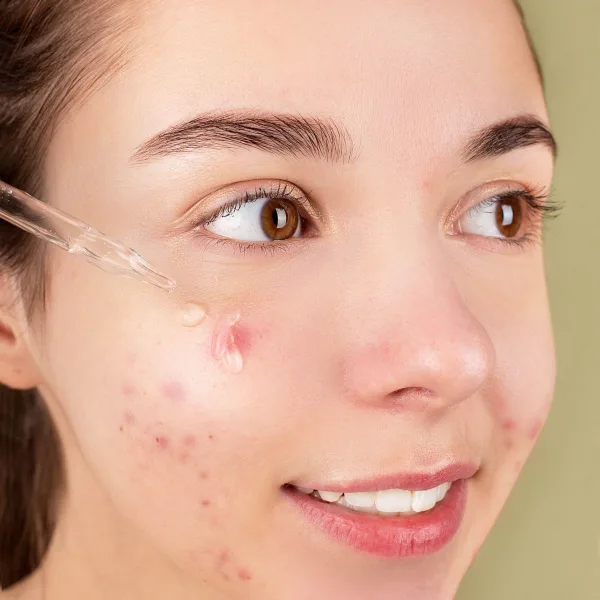
Strong rights make it easier to launch new products, enter retail, license collaborations and act against counterfeits.
From concept to protected beauty brand
Our attorneys combine commercial clearance, filing strategy and technology-assisted monitoring around the realities of product launches and retail growth.
We review names, logos, product families, packaging, ownership, channels, collaborations and priority markets.
We assess conflicts and distinctiveness, then draft protection around the products and services you actually plan to offer.
We identify relevant filings and online misuse, preserve evidence and recommend the fastest proportionate response.
Beauty trademark strategy
The right scope depends on the range, route to market and expansion plan. Cosmetics, tools, retail, salons and collaborations can require different classes and priorities.
The core word and figurative marks used across products, packaging, campaigns, retail and corporate communications.
Brand protection for skincare, makeup, body care, soaps and non-medicated cosmetic preparations.
Names and product families used for hair products, perfumes, deodorants and adjacent personal care goods.
Selective protection for distinctive ranges, hero-product families and commercially important recurring names.
Coordinate trademarks with design rights and copyright for distinctive logos, shapes, labels and visual presentation.
Rights supporting stores, online retail services, social commerce, domains and marketplace enforcement.
Clarify ownership, approvals and trademark use for influencer products, co-branded launches and licensed ranges.
Identify copied names, packaging and listings, then use evidence-led takedowns and enforcement where it matters.
Start with a clearance search across relevant trademark registers and market use. If the name is sufficiently distinctive and the risk is acceptable, file for the products, services and markets reflected in the launch and growth plan.
Class 3 commonly covers non-medicated cosmetics, skincare, haircare and fragrance. Class 5 may apply to medicated products, class 21 to certain tools and containers, class 35 to retail, and class 44 to salon or beauty services. The correct scope depends on the actual offering.
Not automatically. Company names, domains, handles and trademarks protect different interests. Product compliance and cosmetics notifications also do not create trademark rights in a brand name.
Descriptive or promotional wording can be difficult to register on its own and may be subject to marketing rules. A distinctive brand should carry the source-identifying role, with claims reviewed separately for legal and regulatory compliance.
A distinctive product-line or hero-product name may be registrable. Generic ingredient names, technical terms and wording that directly describes the product or its effects are less likely to qualify for exclusive trademark protection.
Usually not. Registration is most valuable for the house brand, major product families and recurring names with lasting commercial value. Shade names, descriptive variants and limited launches may not justify separate filings.
Distinctive logos, labels, shapes and recurring visual features may be protectable through trademarks, design rights or copyright. Functional or commonplace packaging elements are harder to monopolise, so the appropriate right depends on the design.
Yes. Registered rights support reports to marketplaces, social platforms, hosts, payment providers and customs authorities. Evidence should preserve the listing, seller, product presentation and reasons the use is infringing.
Ownership should be agreed before launch. The contract should address the underlying brands, any new co-brand, approvals, territories, product scope, quality control and what happens when the collaboration ends.
Plan before public launch, distributor discussions or entry into a priority market. Filing order should reflect manufacturing, retail, e-commerce and fundraising plans while preserving relevant priority deadlines.
Tell us what you sell, where you launch and how you plan to grow. We will identify the priority risks, rights and clearest next step.
How can we help?
Our team is here to support you. The more details you share, the better guidance we can provide from the start.