Creator, influencer and artist names
Legal names, stage names, pseudonyms and channel identities used commercially across platforms.
Protect what you create
Protect the names, channels and commercial identity your audience recognises—from the first brand deal to merchandise, licensing and global growth.
Search beyond exact handles to assess conflicting personal brands, artist names, media titles, products and entertainment services.
Cover the content, entertainment, merchandise, education and licensing activities that turn attention into a durable business.
Monitor misuse and choose the right response—from a platform takedown or negotiation to a formal cease-and-desist letter.
Proven in the real world
Creators, Influencers & Artists
A creator name can quickly expand from a social handle into entertainment, sponsorships, products and licensing. We build trademark protection around how you earn today and where the brand can go next.
Identify conflicting creator, entertainment and consumer brands before followers, partners and launch budgets depend on the identity.
Secure the names, logos, show titles and recurring commercial identifiers that connect your work across platforms.
Build registrations and evidence for social media monitoring, platform takedowns, negotiated resolutions and cease-and-desist letters.
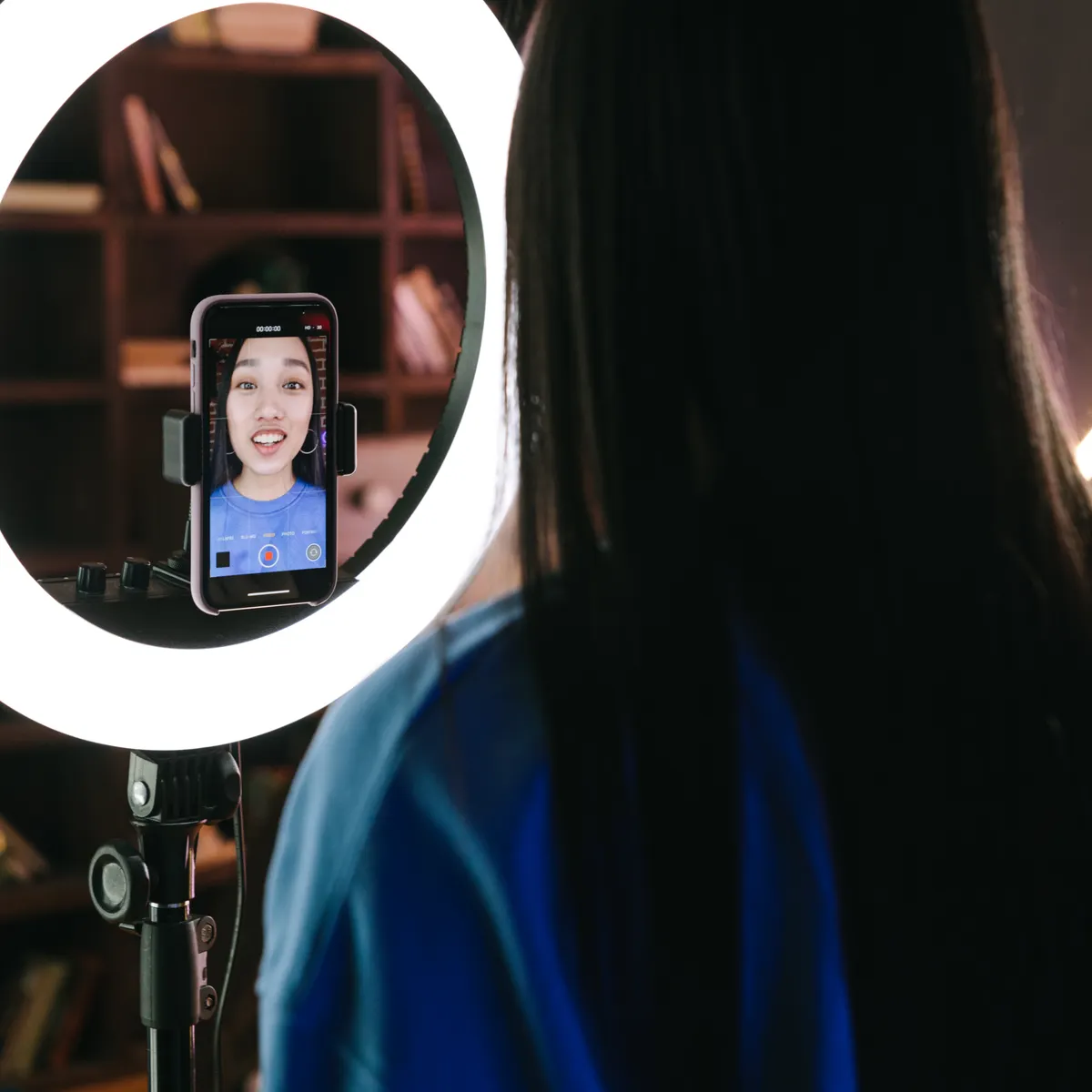
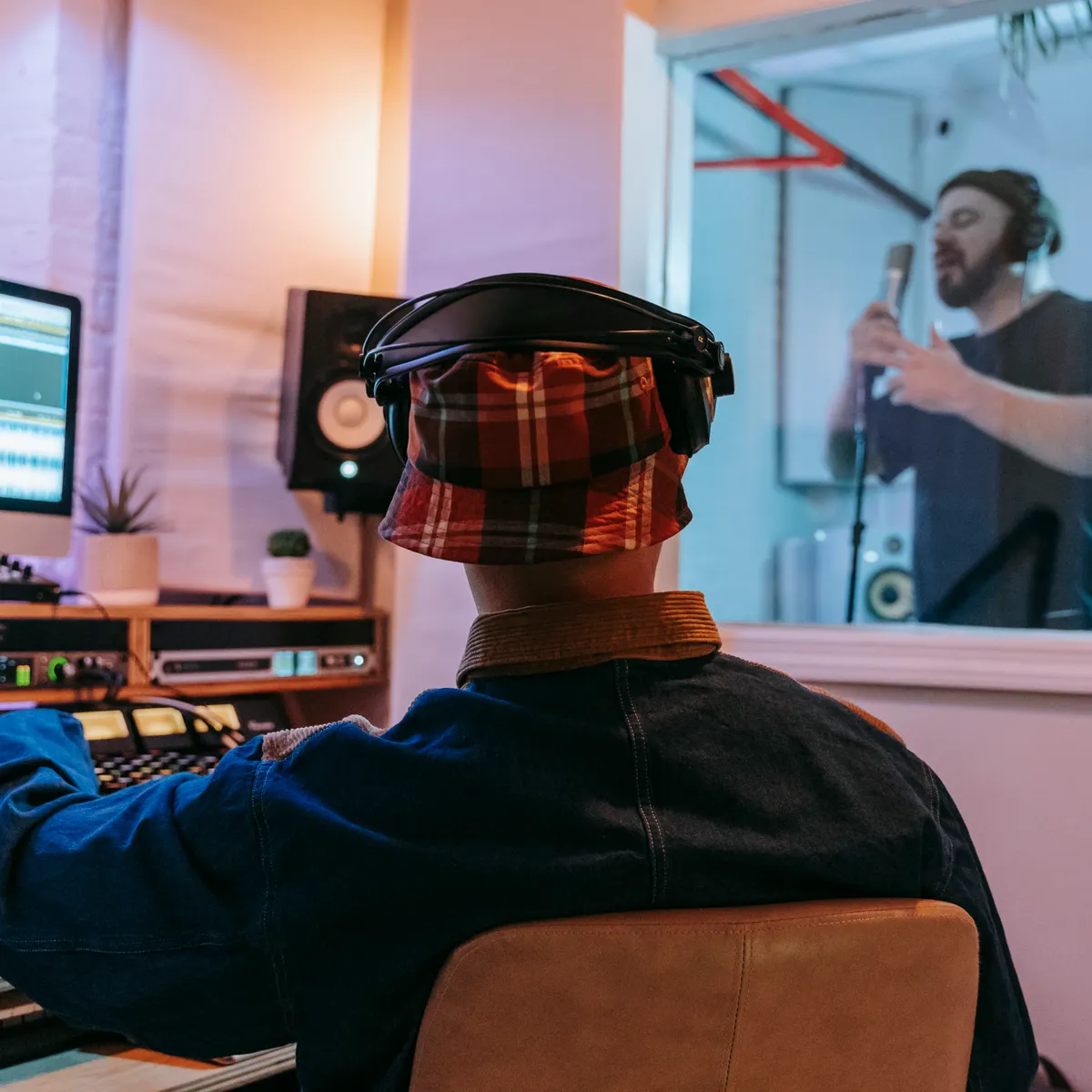
A strong trademark position makes creator partnerships, licensing and new product launches easier to structure and defend.
From profile name to protected creator brand
Our attorneys combine commercial clearance, filing strategy and technology-supported monitoring without treating every piece of content as a trademark.
We review creator names, channels, content formats, merchandise, partnerships, ownership and priority markets.
We assess conflicts and distinctiveness, then file around the goods and services that matter commercially.
We identify social media misuse, preserve evidence and choose between takedowns, negotiation, cease-and-desist letters and further legal action.
Creator trademark strategy
Trademarks protect source-identifying brand assets rather than the underlying content. We combine the right portfolio with practical social media monitoring and enforcement.
Legal names, stage names, pseudonyms and channel identities used commercially across platforms.
Distinctive titles for ongoing series, communities, newsletters, events and entertainment services.
Names and logos used for clothing, cosmetics, digital products, courses and creator-led consumer goods.
Clear ownership and trademark scope for endorsements, partnerships, product launches and international expansion.
Track confusing accounts, copied names and commercial misuse across priority platforms before the harm spreads.
Prepare evidence-led trademark reports for social networks, marketplaces, hosts and other intermediaries.
Contact the other party and negotiate handles, naming changes, coexistence or an orderly exit when that creates the best outcome.
Escalate with a focused C&D that explains the rights, harmful conduct, required action and deadline for compliance.
Often, yes. A creator name, personal name or pseudonym may be registrable when it identifies the commercial source of goods or services and is sufficiently distinctive. Availability and scope still require a proper clearance assessment.
Not by itself. A username reservation is governed by the platform and does not equal trademark registration. Commercial use can create rights in some jurisdictions, but a registered trademark normally provides clearer territorial and enforcement advantages.
Protect the identity your audience associates with the commercial offering. That may be a legal name, stage name, channel name or separate brand. Ownership should also reflect the creator business and relevant agreements.
Yes, if the name functions as a distinctive identifier for entertainment or related goods and services. Clearance should cover similar artist names, labels, events, merchandise and other relevant market use.
Not usually. Trademark law protects names, logos and other signs that identify commercial origin. Copyright normally protects original creative expression, while contracts and personality rights may address other parts of a creator business.
Entertainment and education services often involve class 41, but merchandise, advertising, downloadable products, cosmetics and retail can require additional classes. The right selection depends on actual and planned revenue streams.
Ideally before a major launch, brand deal, merchandise investment or international expansion. Early clearance reduces rebranding risk, while timely filing can improve the position against later copycats or bad-faith applications.
Yes. A registration can strengthen reports to social platforms, marketplaces, hosting providers and domain registrars. The response still depends on the evidence, jurisdiction and how the name or logo is being used.
We monitor relevant platforms, verify the legal and commercial risk and preserve evidence before acting. Depending on the conduct, the right response may be a platform takedown, direct negotiation, a cease-and-desist letter or further legal action.
Ownership should match the long-term business structure and genuine commercial control. Filing through a manager, agency, label or temporary partner without a clear agreement can create avoidable disputes later.
Tell us how you create, monetise and plan to grow. We will identify the priority risks, rights and clearest next step.
How can we help?
Our team is here to support you. The more details you share, the better guidance we can provide from the start.