Club names, crests and badges
The core word and figurative marks recognised by supporters, sponsors, broadcasters, retailers and licensees.
For sports clubs, teams and professional athletes
Protect club names, crests, athlete identities and the commercial brands that connect sporting recognition with merchandise, sponsorships and global growth.
Search beyond identical names to assess conflicts across sport, entertainment, apparel, media, retail and consumer products.
Coordinate ownership, classes and territories around club operations, athlete brands, merchandise, sponsorships and global partnerships.
Use enforceable rights against fake merchandise, copied crests, athlete impersonation and unauthorised commercial associations.
Proven in the real world
Sports Clubs, Teams & Athletes
Sporting recognition creates value for clubs and individual athletes alike. We structure trademark protection around the names, crests, nicknames, merchandise, partnerships and digital channels that turn that recognition into a lasting business.
Assess club names, crests, athlete names, nicknames and recurring identifiers before campaigns, partners or products depend on them.
Align protection with merchandise, sponsorships, endorsements, licensing, media, events and international audiences.
Use enforceable rights against counterfeit goods, impersonating accounts, misleading promotions and unauthorised commercial use.
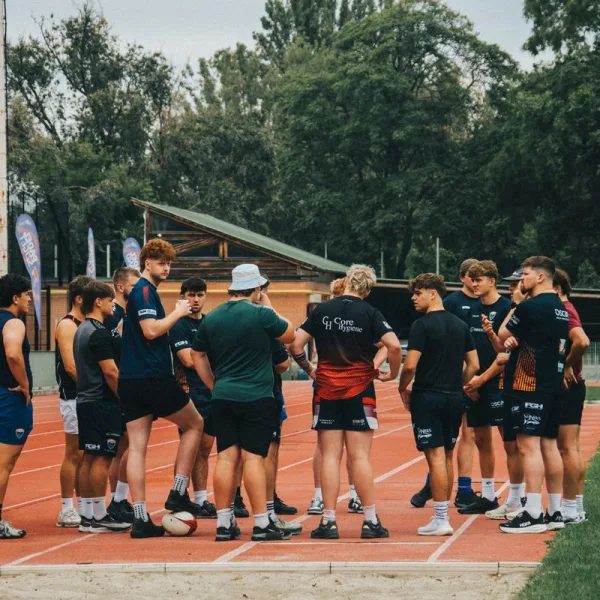
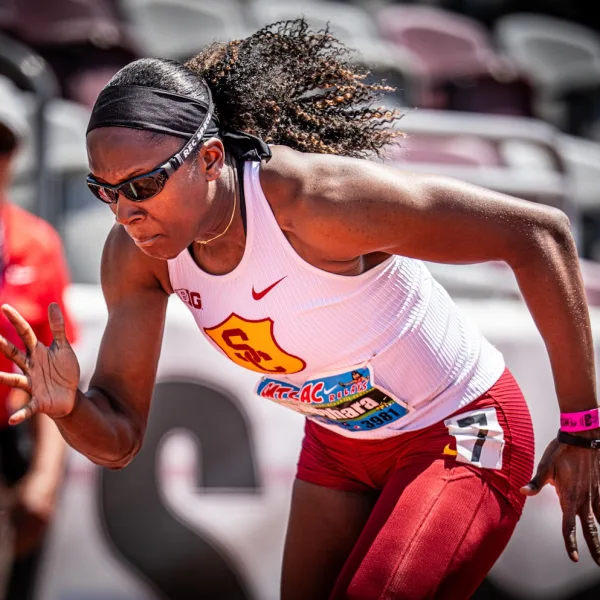
Strong trademark rights give clubs and athletes a firmer foundation for sponsorships, merchandise, licensing and global growth.
From sporting recognition to protected portfolio
Our attorneys connect commercial goals with clearance, filing strategy, licensing support and technology-assisted monitoring.
We review club and athlete names, crests, nicknames, merchandise, sponsors, ownership and priority markets.
We assess conflicts and distinctiveness, then file around the services, products and territories that matter commercially.
We support usable trademark licences, identify relevant misuse and choose the most proportionate response.
Sports trademark strategy
Clubs and athletes need different but connected portfolios. We focus protection on the names, signs, products and commercial relationships that create lasting value.
The core word and figurative marks recognised by supporters, sponsors, broadcasters, retailers and licensees.
Personal and professional names, nicknames, slogans and recurring identifiers used for endorsements, products and content.
Protection for kits, apparel, sporting goods, collectibles, games and other official club products.
Clear ownership and permitted trademark use for club sponsors, athlete endorsements, collaborations and licensed products.
Names for women’s and youth teams, academies, foundations, competitions, camps and recurring sporting initiatives.
Rights supporting broadcasts, streaming, apps, memberships, publications and digital fan or follower experiences.
Monitoring and action against impersonating accounts, abusive domains, fake ticketing and unauthorised commercial use online.
Evidence-led responses to copied crests, athlete impersonation, unofficial merchandise, conflicting filings and misleading associations.
Yes, if the name and crest meet the legal requirements and do not conflict with earlier rights. Clearance should cover sport and entertainment services as well as merchandise, retail, media and other planned commercial activities.
Often, yes. A personal name, professional name or nickname may be registrable when it functions as a distinctive commercial identifier for goods or services. Image, publicity and contractual rights remain separate.
The correct classes depend on the activities. Class 41 often covers sport and entertainment, class 25 clothing, class 28 sporting goods and class 35 retail or promotional services. Media, software, nutrition and licensed products may require additional classes.
Register the relevant club or athlete marks for the goods being sold. Licensing agreements should define authorised products, territories, quality control and enforcement responsibilities.
Registrations help establish who owns each brand and the products, services and territories covered. Commercial agreements must still define permitted use, approvals, exclusivity, quality control and the position after termination.
Sometimes. Separate protection is useful when a division uses a distinctive name or logo, operates in different product or service categories, or has independent commercial value. The portfolio should reflect the club’s actual brand architecture.
Club trademarks and athlete rights are separate. Contracts should clarify when the club may use a player’s name or likeness and when an athlete or sponsor may use the club name, crest, kit or other protected identifiers.
Yes. Registered rights can support reports to platforms, hosts, domain providers, marketplaces and payment services. Evidence should show the protected mark, misleading use and commercial or consumer harm.
Yes. Trademark registrations can support marketplace takedowns, customs action and legal enforcement against goods that use protected signs without permission. The response should be based on evidence and commercial impact.
Trademark rights can help where a third party uses protected club or event signs without permission or creates a misleading association. Sponsor exclusivity also depends on clear contracts, venue rules and the facts of each campaign.
Plan before entering new audience markets, launching international merchandise, signing major licensees or announcing overseas partnerships. Filing order should follow commercial priorities while preserving relevant priority deadlines.
Tell us about the club or athlete, the commercial opportunities and international ambitions. We will identify the priority risks, rights and clearest next step.
How can we help?
Our team is here to support you. The more details you share, the better guidance we can provide from the start.